
World News
The Last of Us Season 2: Bold Casting, Deep Characters, and Game-to-Screen Transformations
Apr
Ellie and Joel: Anchors of the Apocalypse
Season 2 of HBO’s The Last of Us continues to center around the compelling emotional journey of Ellie and Joel. Bella Ramsey returns as Ellie, evolving into a hardened survivor shaped by trauma and loss. The character’s transformation from adolescence to fierce independence mirrors her video game counterpart, yet Ramsey brings a uniquely raw energy that sets the television portrayal apart.
Pedro Pascal’s Joel, meanwhile, remains a complex pillar of the narrative. Haunted by past decisions and weighed down by love and guilt, Joel’s quiet, brooding intensity translates seamlessly from console to screen. The father-daughter dynamic between Joel and Ellie remains a powerful anchor for the series, embodying both vulnerability and strength in a world where both can be fatal. This duo’s chemistry and evolution drive much of the emotional tension in Season 2, reflecting the game’s original themes while diving deeper into personal grief and trust.

Abby Enters: Controversial and Crucial
Arguably the most anticipated and controversial introduction in Season 2 is Abby. In the video game, Abby is defined by her muscular frame, unmatched physicality, and relentless drive. The series makes a notable shift by casting Kaitlyn Dever, whose portrayal emphasizes Abby’s psychological depth and humanity over sheer brute force.
This casting decision sparked debate but signals a conscious choice by the showrunners to prioritize emotional narrative over physical likeness. Dever brings intensity and complexity, highlighting Abby’s internal conflict and her quest for meaning amid violence and vengeance. Instead of replicating the game’s model frame-for-frame, the series crafts a version of Abby who may look different but captures the same emotional truth: someone grappling with the cost of revenge and identity under siege.
Building the Seattle Crew: Familiar Faces, New Interpretations
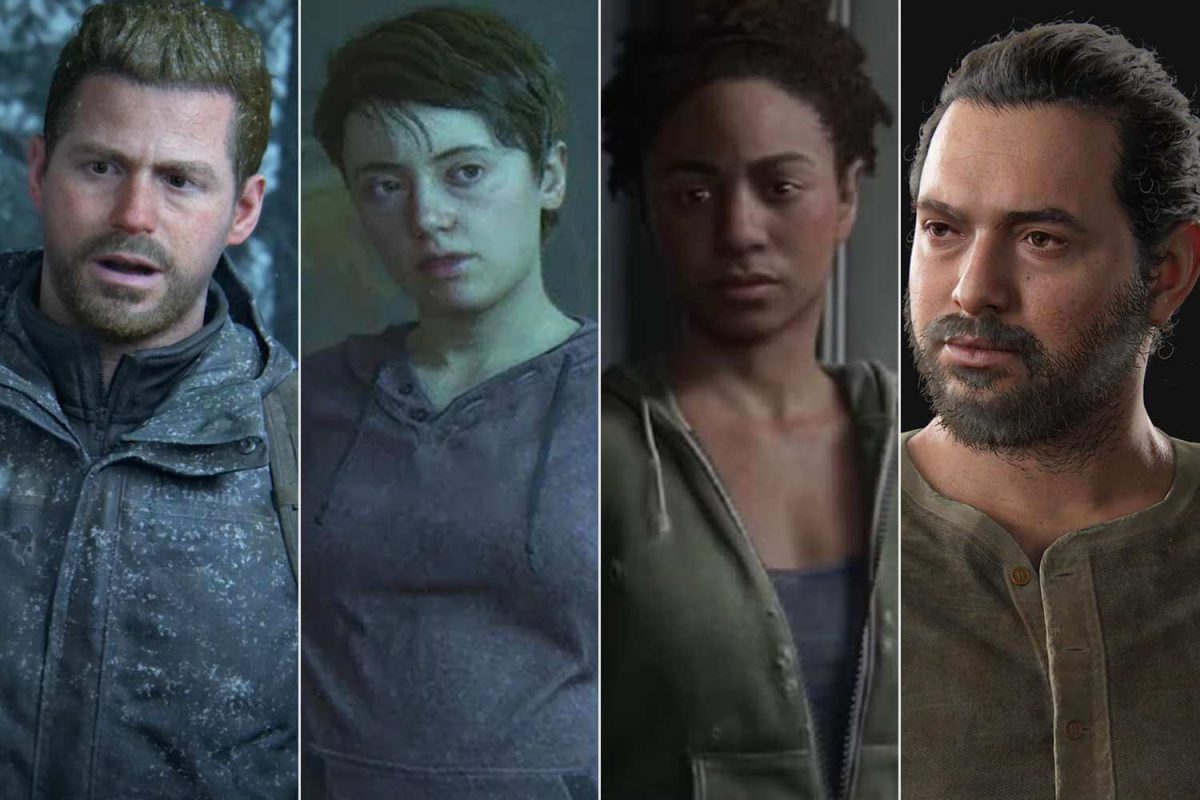
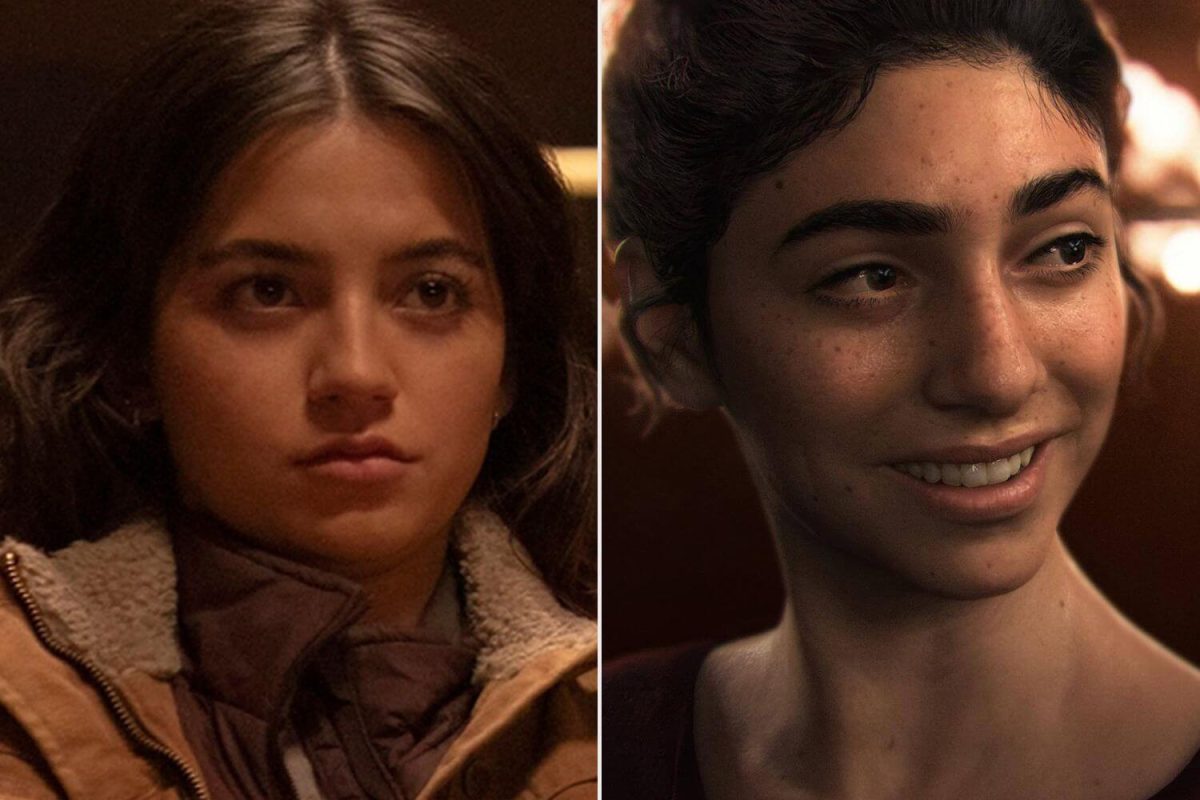
With the narrative shifting partially to Seattle, the show introduces new characters central to Ellie’s journey and Abby’s world. Isabela Merced plays Dina, a character cherished in the game for her compassion, strength, and grounded presence. On screen, Merced’s version carries the same infectious spirit and emotional intelligence, offering Ellie a rare glimpse of softness in an unforgiving world.
Jesse, played by Young Mazino, is depicted with loyalty and quiet charisma. His role as a friend, protector, and bridge between conflicting characters offers vital emotional texture to the season. Manny, brought to life by Danny Ramirez, maintains his role as a staunch ally to Abby, yet the series promises to explore his inner battles, elevating him from side character to someone with complexity and backstory.
These portrayals demonstrate HBO’s approach: honoring the essence of each game character while deepening their arcs for television. They’re not just NPCs brought to life; they are fully realized humans whose perspectives, motivations, and relationships enrich the broader narrative.
Reshaping the Narrative Timeline
In adapting the game’s structure for television, the showrunners are not merely translating gameplay into scenes—they’re reshaping how the story is told. One significant change is introducing Abby’s backstory earlier than in the video game. In the original game, players spend hours on Ellie’s side before being thrown into Abby’s world, a narrative twist that was shocking and controversial.
For the TV series, this structure wouldn’t translate effectively to a passive audience. Thus, the writers chose to humanize Abby from the outset, offering her perspective early to establish emotional stakes and prevent polarized audience reactions. This shift changes how viewers experience empathy, shifting the moral ambiguity from surprise twist to gradual understanding.
It’s a risky but calculated choice that aims to preserve the emotional impact while adjusting for the different storytelling medium. By blending both viewpoints earlier, the series builds a more layered conflict, forcing the audience to wrestle with loyalty, vengeance, and the cost of survival—just as the game intended, but in a format tailored for television.
Faithful Yet Fresh: The Art of Adaptation
Throughout Season 2, The Last of Us walks a fine line between reverence for its source material and the necessity for innovation. This balance is evident in casting choices, adjusted timelines, and character arcs. Rather than mimic the game scene-for-scene, the show strives to extract emotional truths and repackage them in ways that resonate equally with gamers and new viewers.
From Ellie’s rage-fueled descent to Abby’s moral complexity, the characters are layered, flawed, and painfully human. The show acknowledges that visual fidelity isn’t everything—what matters is the emotional impact. Each casting decision reflects a deeper commitment to portraying the characters’ spirit, not just their silhouette.
By expanding minor characters, reordering plot points, and delivering richer backstories, the series invites viewers into a world that feels familiar yet new. It’s not a copy—it’s a reimagining. And in doing so, The Last of Us Season 2 proves that great storytelling can thrive across mediums, as long as it remembers the heart behind the horror.
From Haotees
