
World News
Beyoncé: The Greatest Pop Star of the 21st Century – A Legacy of Influence and Excellence
Dec
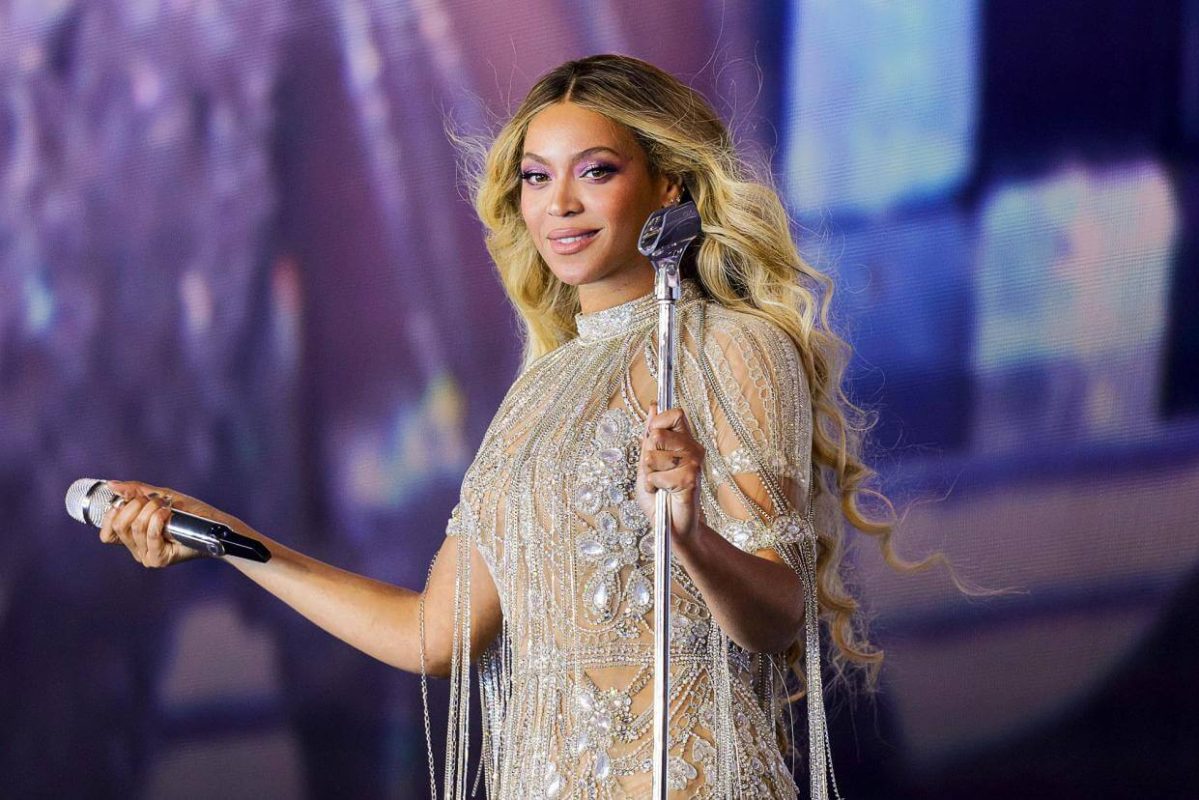
In 2024, Billboard crowned Beyoncé as the “Greatest Pop Star of the 21st Century,” recognizing her as a trailblazer in the world of music, performance, and cultural influence. From her early days as a member of Destiny’s Child to her current status as a global icon, Beyoncé’s journey has been one of relentless innovation and cultural significance. Her impact extends far beyond the music charts, influencing fashion, social movements, and the broader entertainment landscape. In this article, we will explore why Beyoncé’s remarkable career has earned her this prestigious title, examine her influence on the pop genre, and reflect on the legacy she has built over the past 25 years.
This article will break down Beyoncé’s journey to becoming the greatest pop star of the 21st century, from her early beginnings to her rise as a solo artist, and discuss the factors that make her a true cultural phenomenon. We will also dive into the significance of her musical evolution, her unforgettable performances, and her role as an empowerment icon. Ultimately, we will examine why Beyoncé’s influence continues to shape the future of pop music and why she remains a cultural touchstone for audiences worldwide.
Beyoncé’s Early Years: From Destiny’s Child to Solo Stardom
Beyoncé’s career began long before she became a global superstar. She was born Beyoncé Giselle Knowles on September 4, 1981, in Houston, Texas. Her initial introduction to the music industry came through her time in the girl group Destiny’s Child, which formed in the late 1990s. Under the management of her father, Mathew Knowles, Destiny’s Child quickly rose to fame with hits like “No, No, No” and “Say My Name.” However, it was clear from the outset that Beyoncé was destined for greatness, with her powerful voice, commanding stage presence, and undeniable charisma.
Despite the group’s success, Beyoncé’s desire for creative control and the opportunity to evolve musically led her to pursue a solo career. In 2003, she released her debut solo album, Dangerously in Love, which went on to become a commercial and critical success. The album featured chart-topping hits such as “Crazy in Love” and “Baby Boy,” showcasing Beyoncé’s ability to blend R&B, pop, and hip-hop influences in a fresh and exciting way.
Her transition from a group member to a solo artist wasn’t without its challenges, but Beyoncé’s ambition and drive to succeed proved essential in helping her navigate the transition. The success of Dangerously in Love marked the beginning of a career that would transcend genres, defy expectations, and influence generations of artists that followed. Over the next two decades, Beyoncé would go on to release multiple critically acclaimed albums, each of which helped to solidify her place as one of the greatest musical talents of her time.
The Evolution of Beyoncé’s Sound and Influence in the 21st Century
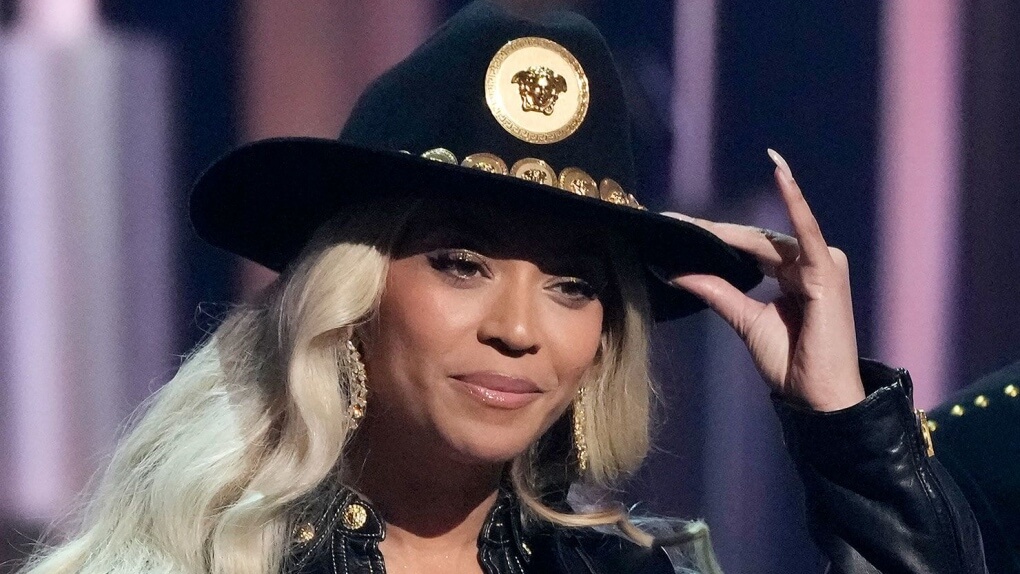
What sets Beyoncé apart from other pop stars is her continuous evolution as both an artist and a cultural force. Unlike many pop stars who adhere to a specific sound, Beyoncé has constantly reinvented herself, pushing the boundaries of what pop music can be. Each of her albums reflects a different stage in her personal and artistic growth, blending genres, themes, and aesthetics in new and exciting ways.
From the sultry R&B sound of Dangerously in Love to the more experimental, boundary-pushing work on albums like Beyoncé (2013) and Lemonade (2016), Beyoncé has never been afraid to take risks and challenge the status quo. Beyoncé, which was released as a surprise visual album, revolutionized the way artists approach album releases and marketing. It was a bold move that further solidified Beyoncé’s position as one of the most innovative artists in the industry. The album’s themes of love, identity, and self-empowerment resonated with fans, further establishing Beyoncé as a voice for personal freedom and social change.
With Lemonade, Beyoncé elevated her artistry to new heights by delving into deeply personal topics such as infidelity, racial identity, and empowerment. The album was not only musically diverse but also visually stunning, with a narrative that resonated with fans on both an emotional and intellectual level. Lemonade became a cultural moment in its own right, sparking conversations about the complexities of marriage, the Black experience, and feminism. It was also a stunning visual experience, with Beyoncé blending music videos, film, and poetry to create a fully immersive artistic statement.
In addition to her solo work, Beyoncé’s collaborations have also helped shape the landscape of pop music in the 21st century. Her work with artists like Jay-Z on The Carters’ Everything Is Love (2018), her collaborations with Lady Gaga on “Video Phone,” and her musical contributions to Disney’s The Lion King: The Gift (2019) all demonstrate her ability to transcend genre boundaries and create new musical experiences. Each collaboration has further solidified Beyoncé’s reputation as an artist who is not only talented but also adaptable, continuously working with other artists to create something greater than the sum of its parts.
The Power of Beyoncé’s Performances: A Masterclass in Showmanship
Beyoncé’s status as the greatest pop star of the 21st century is not only due to her music but also because of her extraordinary ability as a live performer. Her concerts have become legendary, known for their meticulous choreography, breathtaking visuals, and incredible vocal performances. Beyoncé has redefined what it means to be a pop star, setting new standards for live shows and captivating audiences around the world.
One of the most iconic moments of Beyoncé’s career came in 2013 when she performed at the Super Bowl halftime show. This performance solidified her place in the pantheon of pop music legends, as she delivered an unforgettable performance that showcased her vocal range, dance moves, and sheer stage presence. The performance also marked the return of Destiny’s Child, and Beyoncé’s command of the stage left a lasting impact on both viewers and critics alike. The Super Bowl halftime show is now considered one of the greatest in history, largely due to Beyoncé’s ability to captivate an audience of millions while delivering a flawless performance.
Throughout her career, Beyoncé’s concerts have consistently set the bar for live performances. Her Formation World Tour (2016) and On the Run II Tour (2018) were both critically acclaimed, with Beyoncé and Jay-Z performing to sold-out arenas worldwide. Her performances are not just about the music; they are fully immersive experiences that blend visual art, fashion, and social commentary. Beyoncé’s ability to connect with her audience on an emotional level through her live performances is one of the key reasons why she has remained at the top of the pop world for so long.
Beyoncé’s live shows also serve as a platform for her activism, where she addresses issues like racial injustice, feminism, and body positivity. Her Formation World Tour was especially notable for its unapologetic celebration of Black culture, with Beyoncé using her platform to speak out against police brutality and highlight issues affecting the African American community. This blend of art and activism has only added to Beyoncé’s cultural significance and helped to further cement her as a voice for change in the music industry and beyond.
Beyoncé’s Cultural Impact: Beyond Music and Into Social Change
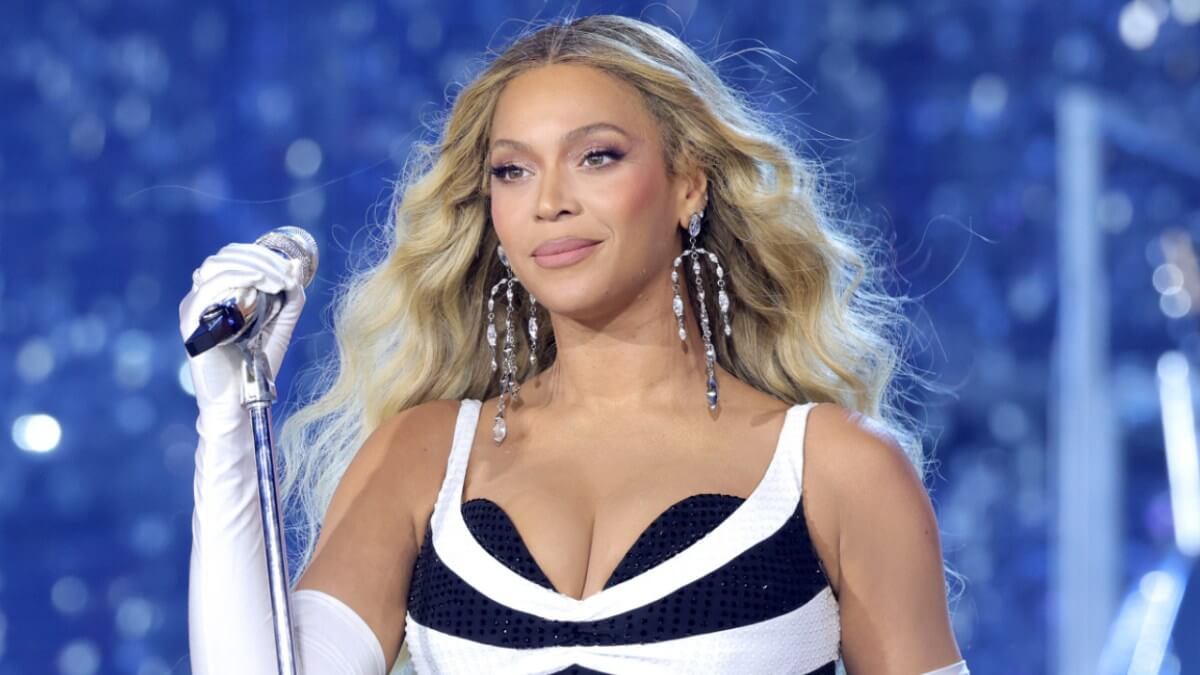
Beyoncé’s impact goes far beyond her musical achievements. Over the years, she has become a symbol of empowerment, strength, and resilience. Her music and public persona have inspired millions, especially women and people of color, to embrace their individuality, fight for equality, and push against societal norms.
Through her music, Beyoncé has addressed social issues such as race, gender equality, and the empowerment of women. Her album Lemonade sparked conversations about Black identity, infidelity, and the complexities of womanhood, while her song “Formation” became an anthem for Black pride and solidarity. Beyoncé’s willingness to use her platform to speak on these topics has made her an important figure in social justice movements, with her work resonating with marginalized communities around the world.
In addition to her music, Beyoncé’s influence can be seen in her business ventures. She has become a savvy entrepreneur, with her fashion line Ivy Park, her investments in various industries, and her partnerships with major companies like Adidas. Beyoncé is not just an artist; she is a global brand, and her success as a businesswoman has paved the way for future generations of female artists to take control of their careers and businesses.
Beyoncé’s role as a cultural icon is also reflected in her advocacy for women’s rights and LGBTQ+ issues. She has consistently spoken out for gender equality, supporting causes like the #MeToo movement and donating to organizations that empower women and children. Her visibility and success have helped to challenge traditional gender roles and redefine what it means to be a successful woman in the entertainment industry.
Beyoncé’s Legacy: Why She is the Greatest Pop Star of the 21st Century
Beyoncé’s journey over the last 25 years has solidified her status as the greatest pop star of the 21st century. Her influence is felt not only in the music she creates but also in the cultural impact she has made. She has set new standards for what it means to be a pop star, blending music, performance, activism, and business in a way that few others have achieved. From her groundbreaking albums to her unforgettable live shows, Beyoncé has proven time and again that she is not just a pop star—she is a cultural force.
In addition to her musical and performance achievements, Beyoncé has used her platform to address pressing social issues and advocate for change. She has broken down barriers for women, people of color, and marginalized communities, making her an influential figure not just in music but also in the broader cultural landscape. Her legacy will undoubtedly continue to inspire future generations of artists, activists, and fans alike.
As Billboard’s “Greatest Pop Star of the 21st Century,” Beyoncé’s place in history is secure. Her ability to continuously evolve, push boundaries, and influence both music and culture sets her apart from other pop stars of her generation. Whether through her innovative album releases, her powerful performances, or her commitment to social change, Beyoncé’s legacy is one of excellence, resilience, and empowerment. She has truly earned her place as the greatest pop star of the 21st century.
From Haotees
