
World News
Beyoncé’s Bold Move: Submitting for a Grammy in the Country Category
Oct
Beyoncé’s Genre Expansion: From Pop to Country
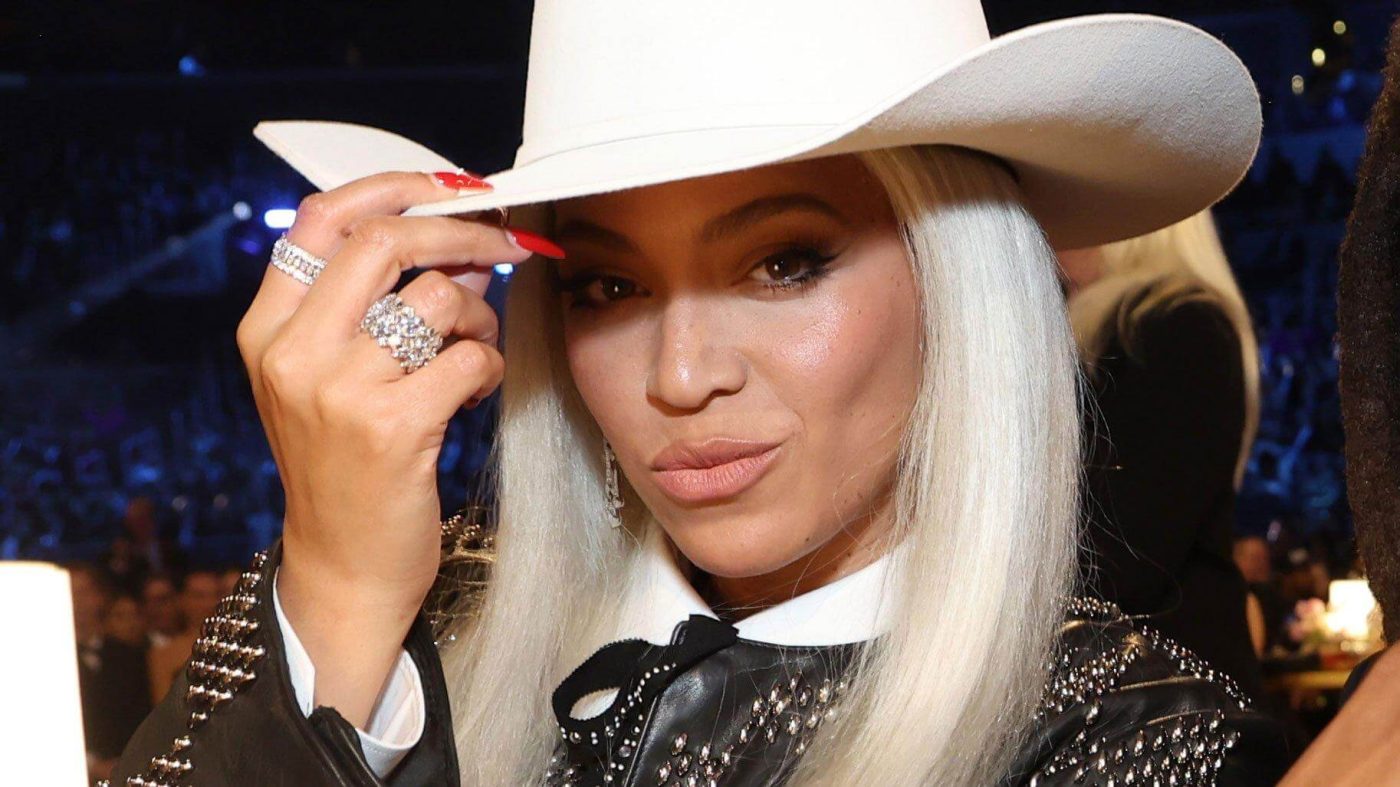
Beyoncé has never been one to be confined by genres, and her recent decision to submit music for consideration in the Grammy Awards’ country category is yet another example of her fearless artistic evolution. Known for her dominance in pop, R&B, and hip-hop, the superstar has consistently pushed musical boundaries throughout her career, integrating various influences and sounds into her work. This latest move to step into the world of country music, however, represents a significant shift in direction for Beyoncé, a genre that has traditionally been seen as outside her typical musical purview.
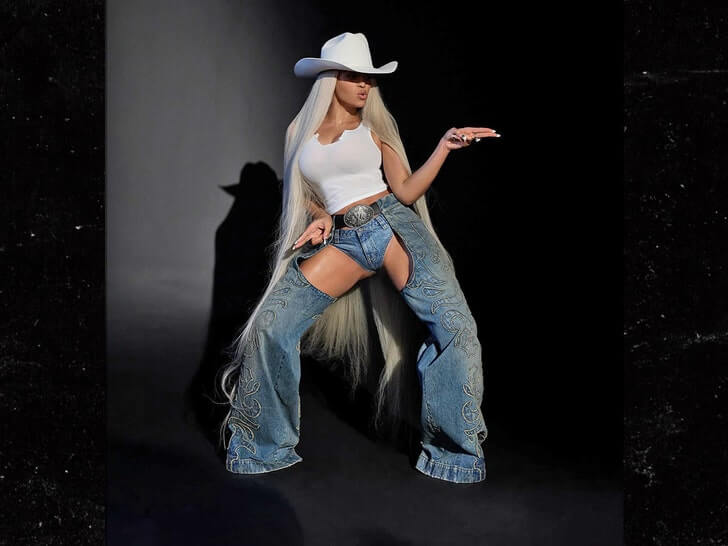
Beyoncé’s history of genre-blending is well-documented, from incorporating Afrobeat rhythms in The Lion King: The Gift to infusing jazz, funk, and soul into her chart-topping albums. But her relationship with country music became more public with her performance of “Daddy Lessons” at the 2016 Country Music Association Awards. The track, which appeared on her critically acclaimed album Lemonade, paid homage to her Southern roots and demonstrated her ability to channel a country vibe while still maintaining her signature style.
Her willingness to explore country music speaks to Beyoncé’s understanding of the genre’s rich history, storytelling traditions, and emotional depth. By submitting her work for Grammy consideration in the country category, she is making a bold statement about the versatility of her music and challenging long-standing norms about who belongs in certain musical spaces. This decision also opens up a broader conversation about the growing inclusivity of genres like country, which have often been seen as closed off to artists from different cultural backgrounds.
“Daddy Lessons” and Beyoncé’s Initial Foray into Country Music
“Daddy Lessons” marked Beyoncé’s first notable step into the country genre. The song was a reflection of her upbringing in Texas and the values her father instilled in her. Lyrically, it tackled themes of family, resilience, and identity, all while blending country elements like acoustic guitar riffs with Beyoncé’s powerful vocal delivery. The song was embraced by many country music fans and even sparked discussions about the potential for greater diversity within the genre.
While “Daddy Lessons” didn’t receive a nomination in the country categories at the 2017 Grammys, it didn’t go unnoticed. The track garnered critical acclaim and was performed with the Dixie Chicks (now known as The Chicks) at the Country Music Association (CMA) Awards, further solidifying Beyoncé’s respect for country traditions. Her collaboration with The Chicks—an act that has also faced challenges and criticisms within the country music industry—was a powerful statement about unity across genres and the potential for collaboration between seemingly different musical worlds.
In many ways, “Daddy Lessons” paved the way for Beyoncé’s current move to submit her work for Grammy consideration in the country category. While the song itself sparked controversy over whether it belonged in the country genre, it also helped to expand the conversation around what country music can be and who can perform it. Beyoncé’s artistry and ability to cross musical boundaries have set the stage for her to continue exploring the genre with confidence and authenticity.
Country Music’s Evolving Inclusivity and Beyoncé’s Role
Historically, country music has been associated with a specific demographic and cultural narrative, often centering around white, rural experiences. However, the genre is evolving, and artists like Beyoncé are helping to reshape its boundaries. In recent years, country music has seen an increasing number of Black artists and artists of color, including the likes of Mickey Guyton, Kane Brown, and Jimmie Allen, who are pushing the genre toward a more inclusive and diverse future.

Beyoncé’s decision to enter the country space comes at a time when the genre is undergoing significant shifts. Artists who were once considered “outside” of traditional country music are now being embraced by a broader audience. Beyoncé’s influence as a global icon can only further accelerate this movement toward inclusivity. Her presence in the country category at the Grammys would not only highlight her versatility but also shine a spotlight on the changing face of country music as a whole.
However, with change comes resistance. The country music industry has, at times, struggled with inclusivity, particularly when it comes to recognizing the contributions of Black artists. Beyoncé’s submission in the country category is likely to reignite discussions about who is considered part of the country music community. But as with her performance of “Daddy Lessons,” Beyoncé is poised to challenge the status quo and demonstrate that country music’s roots go deeper than cultural and racial divisions. Her participation in this space could serve as a catalyst for continued growth and transformation within the genre.
Beyoncé’s Impact on the Grammys and Cross-Genre Recognition
Beyoncé is no stranger to the Grammys, holding the record for the most Grammy wins by a female artist and by a singer, with 32 awards to her name. Her extensive accolades span various categories, including pop, R&B, and rap, reflecting her dynamic range as a performer. Her decision to submit her work for consideration in the country category represents not only an artistic evolution but also a strategic move within the broader Grammy landscape.
The Grammys have long been critiqued for their handling of genre categories and their inclusivity. Beyoncé’s foray into the country genre presents an opportunity for the Recording Academy to further embrace cross-genre excellence. The significance of an artist like Beyoncé being recognized in a traditionally insular genre like country could challenge the Grammy voters to rethink how they categorize music and acknowledge the fluidity of genre boundaries in modern music.
As the Grammy Awards continue to evolve, Beyoncé’s submission in the country category has the potential to redefine the awards’ approach to genre classification. Her presence in country music categories would represent a major step forward for the Grammys in recognizing the contributions of Black artists to genres that have historically marginalized them. Beyoncé’s involvement could encourage other mainstream and non-traditional country artists to explore new territories and be recognized for their contributions outside of their perceived musical boxes.
What This Move Means for Beyoncé’s Legacy and Future
Beyoncé’s willingness to push musical boundaries and enter new genres is emblematic of her growth as an artist. Her decision to submit for the Grammys in the country category is a clear message that she continues to evolve, take risks, and challenge the expectations placed upon her by the music industry and the public. While she has already achieved unparalleled success, her exploration of new musical landscapes suggests that her artistic journey is far from complete.
As Beyoncé expands her influence into country music, it is likely that she will continue to inspire conversations around race, genre, and identity in the music industry. Her bold move into the country space also hints at future musical endeavors that could further blur the lines between genres. Fans of Beyoncé know to expect the unexpected, and her willingness to continuously reinvent herself is part of what has kept her at the forefront of the entertainment industry for over two decades.
Ultimately, this latest step into country music is more than just a submission for a Grammy—it’s a continuation of Beyoncé’s artistic narrative. A narrative that has always been about more than just making hit records. It’s about breaking barriers, challenging norms, and using her platform to redefine what it means to be a global icon. Whether or not Beyoncé wins in the country category, her entry into this space will undoubtedly leave a lasting impact on both the genre and the music industry as a whole.
From Haotees
