
World News
Eugene in The Last of Us: A Quiet Hero’s Tragic Exit and Lasting Impact

May
A New Depth to the Narrative: Eugene Lynden Steps into the Light
The second season of HBO’s The Last of Us has not only elevated the emotional complexity of its post-apocalyptic world but also deepened its character tapestry by introducing Eugene Lynden, a figure only briefly referenced in the original video game. Through Eugene, portrayed by veteran actor Joe Pantoliano, viewers are treated to a richer, more humanized view of survival, loss, and community. Eugene is not a warrior in the traditional sense — he is not out for revenge or glory — but rather a quiet soul with a profound past.
Once a Vietnam War veteran and a former Firefly, Eugene carries with him the weariness of a man who has seen too much. He settled in Jackson, Wyoming, after abandoning the revolutionary cause, seeking peace in a world that rarely offers it. His marriage to Gail, Jackson’s only therapist (played by Catherine O’Hara), provides a rare glimpse of normalcy and domestic life in the bleak, infected landscape. Their bond brings heart and humanity to the story, presenting viewers with a couple who’ve managed to find comfort and companionship amidst chaos.
By drawing Eugene into the spotlight, the show’s writers enhance more than just the lore. They root the series deeper into the emotional fabric of the post-pandemic world. Eugene is a mirror for Joel and Ellie — not a man of action anymore, but one of wisdom and quiet strength. His presence represents what could have been for many survivors: a chance at peace if only the world were less cruel.
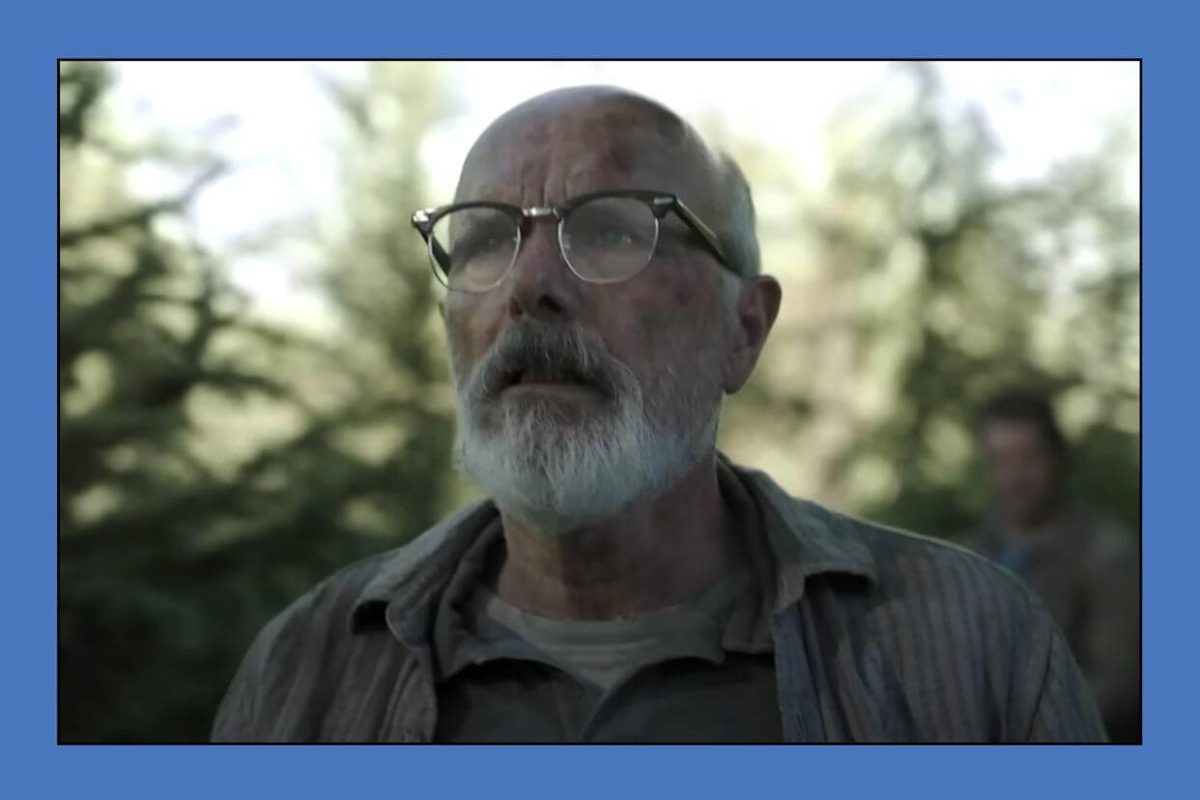
A Tragic Discovery: The Moment Joel and Ellie Find Eugene
Eugene’s journey reaches its heartbreaking climax in Season 2, Episode 6, aptly titled “The Price.” During what was supposed to be a routine patrol, Joel and Ellie stumble upon Eugene in a chilling, life-altering state. He has been bitten by an infected — a sentence of death in their reality. Yet, instead of succumbing to panic or despair, Eugene makes a request: take him back to Jackson. He wants to say goodbye to Gail, to die on his own terms.
It is in this moment that viewers witness the depth of Eugene’s dignity. There is no drama in his request, no wild last stand. Instead, he faces death with the quiet resilience of someone who has already faced it many times before. His calmness contrasts sharply with Ellie’s growing distress, hinting at her maturing understanding of loss, fate, and mercy.
Joel agrees — or so it seems. But in a controversial twist, he instructs Ellie to head back alone while he stays behind with Eugene. Moments later, a single gunshot rings out. Joel has executed Eugene in the woods, ending his life swiftly to spare him the horror of turning into a monster. While some might see this act as one of mercy, it is clouded by the reality that Eugene was denied his final wish — the chance to say goodbye to his beloved Gail.
This event marks a pivotal moment not only for Joel but for Ellie, who later learns the truth and struggles to reconcile her admiration for Joel with her anger over his choice. It’s a profound turning point that underscores the moral ambiguity at the heart of the series — sometimes, even the most well-intentioned decisions are tainted by their consequences.
Emotional Fallout: Grief, Betrayal, and the Cost of Choices
In the aftermath of Eugene’s death, The Last of Us delves deep into emotional fallout. Gail, devastated by her husband’s abrupt and unexpected end, becomes a voice of sorrow and quiet fury. She doesn’t get a chance to hold his hand, whisper final words, or simply be with him in his last moments. Instead, she learns that Joel made a decision that should never have been his to make.
This triggers a ripple effect within Jackson’s tight-knit community. Gail withdraws, Ellie seethes with confusion and betrayal, and Joel, though silent, bears the weight of yet another soul taken by his hand. The scene between Ellie and Joel following her discovery is both explosive and heartbreaking. She demands to know why he lied, why Eugene couldn’t have had the death he asked for. Joel, hardened by his own traumas, offers little in the way of apology — only a grim sense of pragmatism: “I did what I had to do.”
This dynamic sets the stage for a larger theme that threads through the second season: the blurred line between right and wrong in a world that doesn’t offer easy answers. The Last of Us thrives in this gray space, forcing viewers to question what they would do in similar circumstances. Joel’s choice wasn’t made out of cruelty — but out of a belief that he knew best. Yet the impact of that belief is catastrophic.
The heartbreak of Eugene’s story serves as a reminder that even small, human moments can carry devastating emotional weight. The loss is personal, not epic. But it’s exactly this intimacy that makes it linger in the hearts of those who loved him — and in the viewers who came to understand his quiet strength.
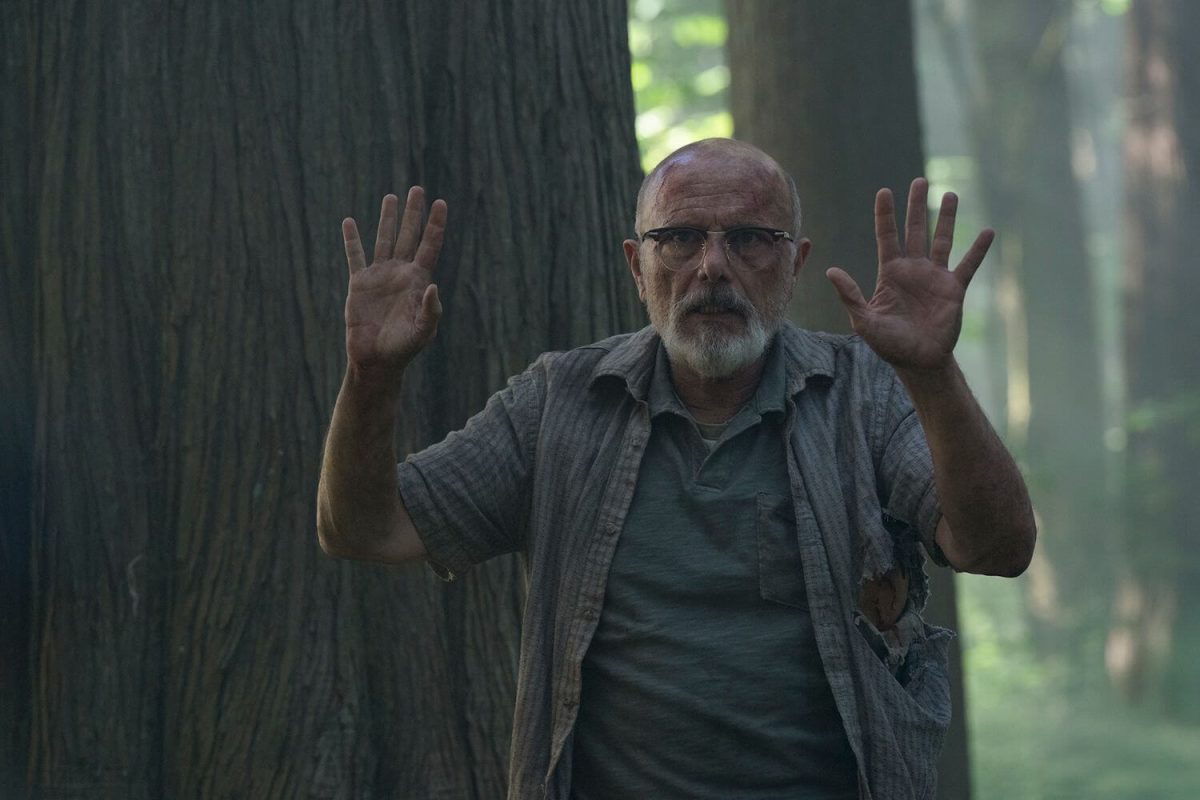
Eugene as a Narrative Catalyst: Storytelling in a Shattered World
The decision to expand Eugene’s character in the HBO adaptation is a testament to the showrunners’ commitment to deepening the world of The Last of Us. While Eugene was a mere footnote in the game — referenced in logs or passing dialogue — the show makes him an emotional pillar of Season 2. His arc, though brief, is essential in humanizing the consequences of the infected world.
Through Eugene, the show explores vital themes: aging in a time when longevity is rare, love in a world of loss, and dignity in the face of death. His backstory as a former Firefly also ties into the broader conflict, reminding viewers that even revolutionaries need rest, redemption, and reconciliation. His marriage to Gail offers contrast to the youthful intensity of Joel and Ellie’s journey — a portrait of what life can still be, even in fragments.
Moreover, Eugene’s presence helps anchor viewers to Jackson, a place that becomes central to the emotional weight of the series. The town isn’t just a backdrop; it’s a community filled with characters, histories, and stakes. By giving someone like Eugene the spotlight, The Last of Us emphasizes that every character has a story worth telling, and that loss is not just a battlefield statistic — it’s deeply personal.
This storytelling approach is part of what elevates the adaptation beyond a mere retelling of game events. It offers a lens into the quiet heroes of this universe, those who survive not through strength or brutality but through compassion, love, and resilience.
A Legacy of Quiet Strength: Eugene’s Enduring Influence
Though Eugene’s on-screen time is limited, the echo of his life and death reverberates throughout the rest of the season. His story becomes a touchstone for Ellie, who now grapples more deeply with the implications of mercy, agency, and legacy. Eugene’s demise prompts her to reflect on her own values, and how she wants to approach life and death in a world that constantly tests one’s morals.
For Gail, the loss of Eugene is transformative. Though initially grief-stricken and angry, she eventually channels her pain into helping others in the community — honoring Eugene’s belief in peace and support. Her journey is one of mourning but also one of healing, demonstrating that even in grief, there is strength to be found.
Eugene’s legacy also reshapes Joel. It acts as yet another stone in the growing pile of moral weights he carries. While he doesn’t openly express regret, his demeanor changes. He becomes more introspective, more cautious with his decisions — aware, perhaps for the first time, that even well-meaning actions can cause irreparable harm.
Ultimately, Eugene serves as a symbol of the kind of humanity the world of The Last of Us is constantly threatening to erase — the gentle, the wise, the loyal. His death, like so many in the series, isn’t meant to be sensational. It is intimate, tragic, and deeply affecting. His influence lingers not because of a grand gesture, but because of the small moments: the conversations with Gail, the mentorship he offers younger survivors, the quiet resolve with which he faces the end.
From Haotees
